Find the perfect carrier for bonding and hands-free
convenience. Compare wraps, slings, and structured
carriers to discover what works best for your
lifestyle and baby's age.
Updated March 2026Safety reviewed11 min read
Types of Baby Carriers
Each carrier type has unique benefits for
different ages and situations.
🧣
Wraps
Soft fabric wraps that can provide a close,
snug carry when used correctly.
🪢
Ring Slings
Quick to put on and adjustable, making them
useful for short trips and different carries.
👶
Soft Structured
Padded straps and a supportive waistband
make these popular for everyday carrying.
🎗️
Meh Dai
Tie-on carriers with fabric straps around
the waist and shoulders for an adjustable fit.
Babywearing Safety Guidelines
Following safe babywearing practices helps keep
your baby secure and comfortable while being carried.
Critical
✓
T.I.C.K.S. Rule
Tight: Baby should be held
securely and snugly.
In view: You should always
be able to see your baby's face.
Close enough to kiss:
Baby's head should be close enough to kiss.
Keep chin off chest:
Make sure the chin is not pressed down
against the chest.
Supported back:
Baby should be properly supported.
Critical
👃
Airway Always Clear
Baby's face should never be covered by
fabric. You should be able to see the nose
and mouth clearly and regularly check
your baby's position.
Critical
🫶
Proper Position
Follow the carrier manufacturer's instructions
for positioning. For infants, their hips and
legs should be supported appropriately rather
than being left hanging straight down.
Important
⚖️
Weight Limits
Always follow the manufacturer's minimum and
maximum weight limits. Age and developmental
requirements can also vary between carriers.
Babywearing Benefits
Babywearing can make it easier to keep your baby
close while leaving your hands available for
everyday tasks. Close contact can also support
bonding and comforting when the carrier is used
safely and appropriately.
Detailed Carrier Comparison
Understanding the pros and considerations of each
carrier type can help you choose the best fit.
Stretchy Wrap
Newborn – 6 months*
8–25 lbs*
£30 – £80*
Moderate learning curve
Best for:
Newborns and parents who want maximum closeness.
Advantages
Soft and comfortable
Close contact
Distributes weight across the body
Can be affordable
Many carrying options
Considerations
Can feel warm
Requires practice
Fabric can stretch with use
May be less suitable as a child grows
Woven Wrap
Birth – 3+ years*
7–45 lbs*
£60 – £200*
Steep learning curve
Best for:
Dedicated babywearers who want maximum versatility.
Advantages
Highly versatile
Multiple carrying positions
Can grow with your child
Good weight distribution
Supportive when correctly fitted
Considerations
Takes time to learn
Long fabric can drag
Quality options can be expensive
Not as quick to put on
Ring Sling
Newborn – 3 years*
8–35 lbs*
£40 – £120*
Easy to moderate
Best for:
Quick errands and parents who want easy
on/off carrying.
Advantages
Quick to put on
Adjustable
Compact and portable
Useful for hip carrying when appropriate
Can be convenient for feeding
Considerations
Weight is concentrated on one shoulder
May become uncomfortable during long carries
Requires practice to tighten correctly
Always follow the manufacturer's instructions
Soft Structured Carrier
3 months – 3+ years*
12–45 lbs*
£100 – £200*
Very easy
Best for:
Parents wanting simplicity and comfort
for longer wear.
Advantages
Easy to learn
Padded straps
Comfortable waistband
Useful for multiple carrying positions
Easy for partners to share
Considerations
Can be bulky
Some models are unsuitable for newborns
Fit varies between carriers
Can feel warm in hot weather
*Age, weight, price and suitability vary by manufacturer
and model. Always check the specific carrier's current
instructions before use.
Our Top Carrier Picks for 2026
These examples cover different carrier styles,
budgets and everyday needs.
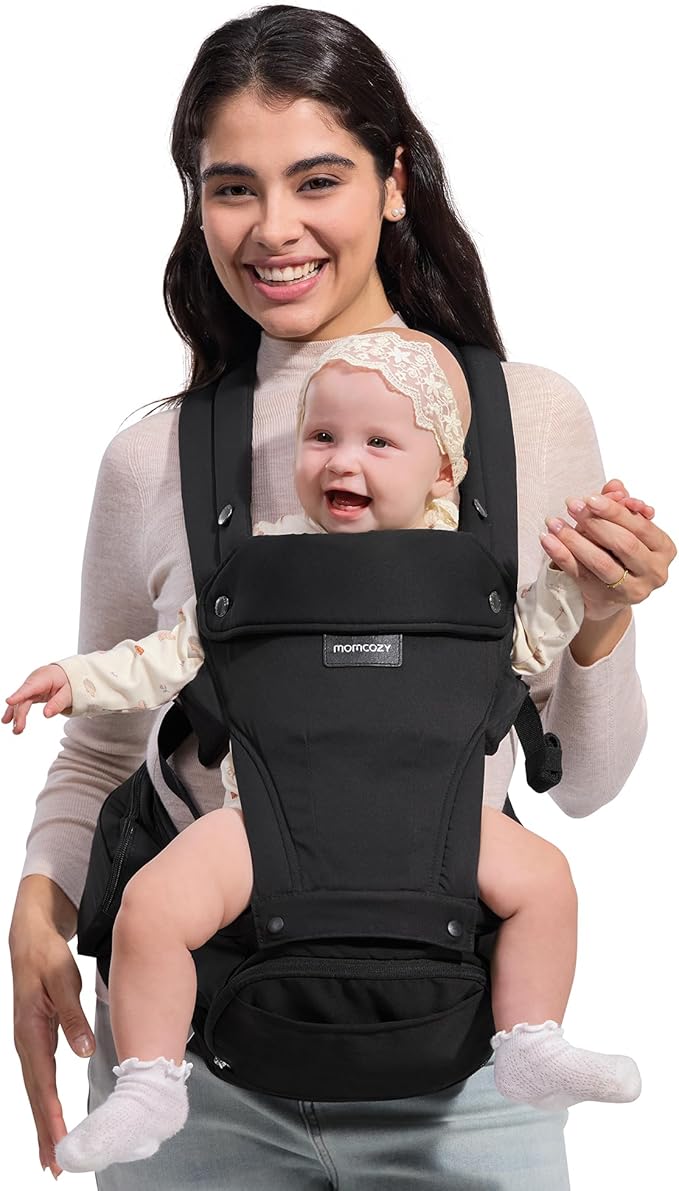
Newborn Snuggles
Stretchy Wrap
Momcozy Baby Carrier.
£80
★ 4.8/5
Features
Strap Type: Cross
Closure Type: Hook & Loop
Orientation: Front, Back, Hip
Material Type: Polyester
Product Care Instructions: Machine Wash
Minimum Weight Recommendation: 3.2 Kilograms
Maximum Weight Recommendation: 15 Kilograms
Colour: Black/AirMesh-Apricot/Air Mesh-Grey
Item Dimensions : 30D x 16W x 25H cm
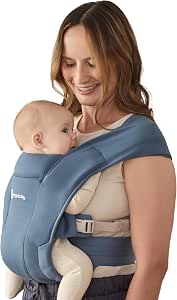
All-around Versatility
Soft Structured
Ergobaby Omni 360
£90
★ 4.7/5
Features
Colour Oxford Blue
Material 79% polyester/17% rayon/4% spandex
Brand Ergobaby
Strap type Adjustable Strap
Product care instructions Machine Wash
Minimum weight recommendation 3.18 kg
Maximum weight recommendation 25 Pounds
Age range (description) Newborn
Closure type Buckle
Orientation Front
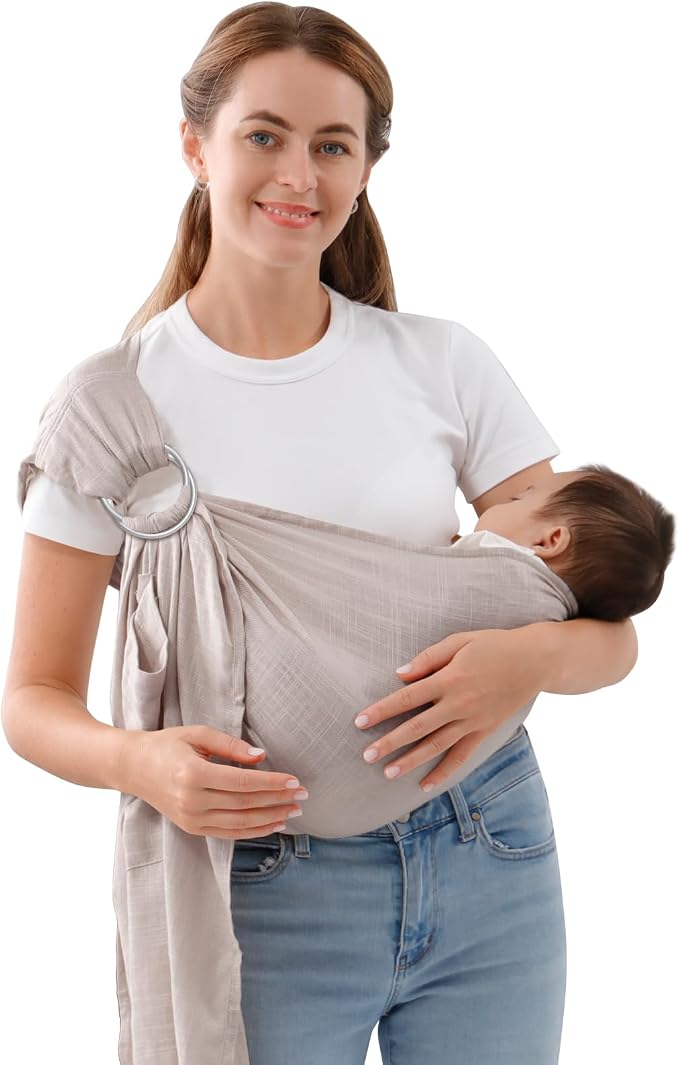
Quick Trips
Ring Sling
Ring Sling
£25
★ 4.9/5
Features
Colour grey
Material Hemp
Brand vrbabies
Strap type Adjustable Strap
Product care instructions Hand Wash Only
Minimum weight recommendation 3.5 Kilograms
Maximum weight recommendation 15 Kilograms
Age range (description) Newborn
Closure type Double Ring Tie
Orientation Front, Hip
Easy Wrap Alternative
Hybrid Wrap
Baby K'tan Original
$50
★ 4.6/5
Features
No wrapping required
Pre-sized design
Multiple positions
Cotton blend
Beginner-friendly
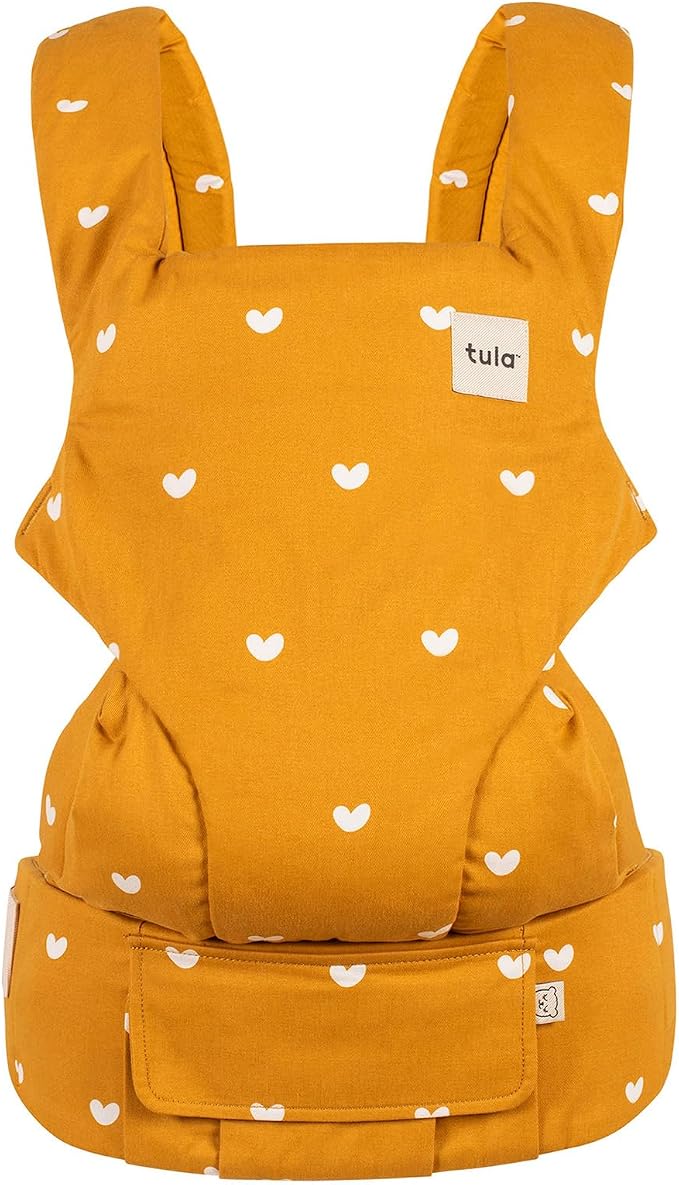
Grows With Baby
Soft Structured
Tula Free-to-Grow
£190
★ 4.8/5
Features
Colour Play
Material Cotton
Brand Tula
Strap type Adjustable Strap
Product care instructions Machine Wash
Minimum weight recommendation 454 g
Maximum weight recommendation 45 Pounds
Age range (description) Kid
Closure type Buckle
Orientation Front, Back
Carry Positions Explained
Different positions may work better at different
developmental stages and for different activities.
Always follow the carrier manufacturer's instructions.
Front Carry — Inward
Often suitable from the newborn stage*
Baby faces your chest. This can provide
close contact and makes it easier to monitor
your baby's position.
Benefits
Close contact
Easy to monitor baby
Can be calming
Front Carry — Outward
Only when developmentally appropriate*
Some carriers allow outward-facing carrying
once the baby has sufficient head and neck
control. Follow the manufacturer's requirements.
Benefits
Baby can look around
Useful for curious older babies
Allows interaction with surroundings
Hip Carry
When developmentally appropriate*
Baby sits beside you on your hip. This can
be convenient for short trips and older babies
who want a better view.
Benefits
Good visibility
Easy access
Useful for short carries
Back Carry
Follow the carrier's minimum-age requirements*
Baby is carried on your back. This can be
comfortable for longer carrying once your
baby is developmentally ready.
Benefits
Good weight distribution
Hands-free carrying
Useful for active parents
*Always follow the specific carrier manufacturer's
age, weight, developmental and positioning instructions.
Smart Buying Tips
Make an informed decision with these practical
tips from experienced babywearers.
✓ Try before you buy at a babywearing group
or specialist store.
✓ Consider your climate and whether breathable
fabrics will be useful.
✓ Think about who will use the carrier and
whether it can be adjusted easily.
✓ Start with one carrier and learn how to
use it correctly before buying several.
✓ Look for carriers recognised by relevant
hip-health organisations where appropriate.
✓ Read reviews from parents with similar
body types and carrying needs.
✓ Consider your lifestyle, from quick errands
to longer walks.
✓ Budget for quality and a carrier that can
suit your needs as your baby grows.
We use necessary storage to operate the site and remember your choices. With your permission, we use Google Analytics to understand site visits. Google manages advertising consent separately through its Privacy and cookie settings. Read our Privacy Policy.
Analytics Cookie Settings
Choose whether BabyFayre can use Google Analytics. Necessary storage stays enabled. Google advertising choices are managed separately through Google's Privacy and cookie settings link.
Necessary
Used for site operation and remembering your privacy choice.